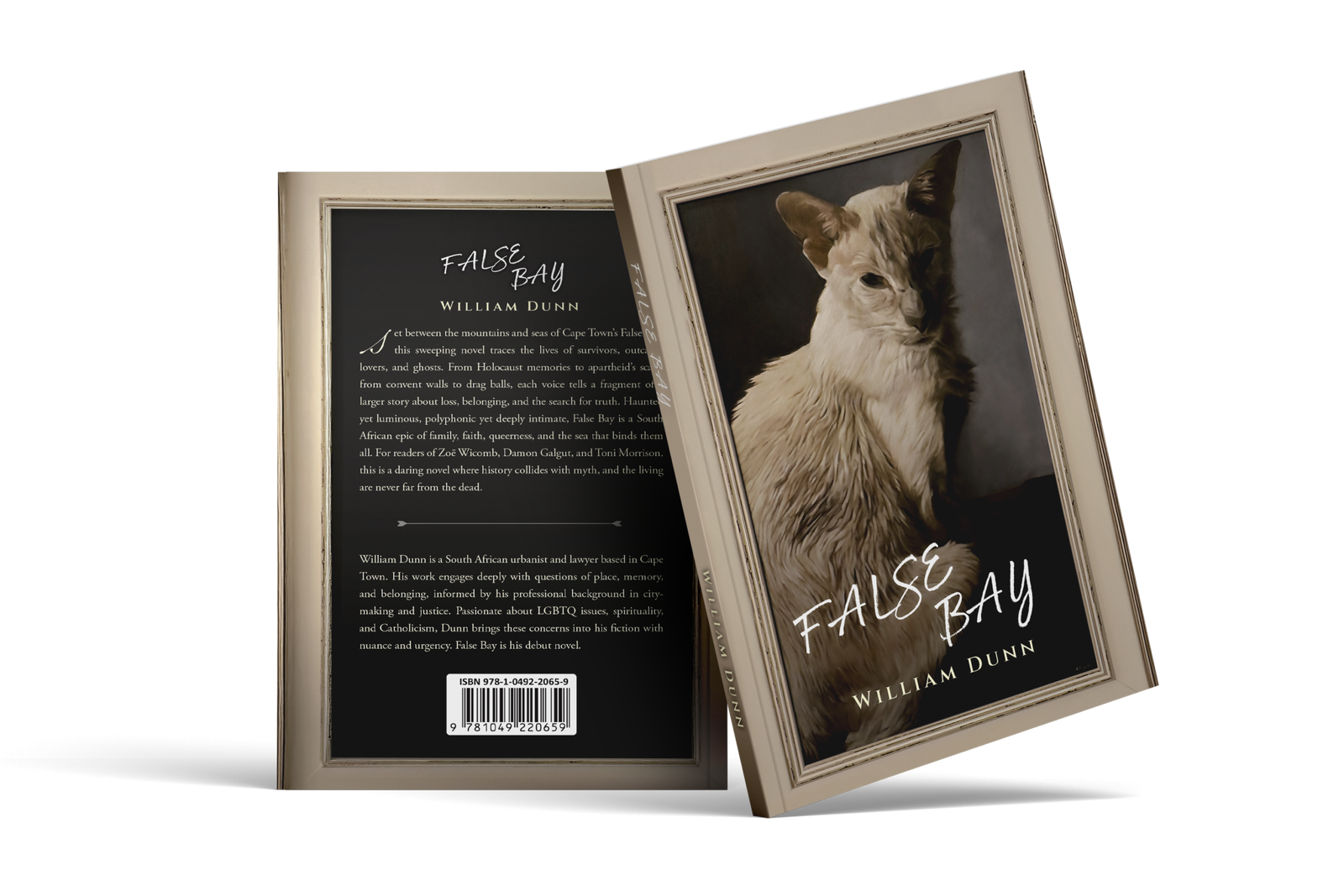
False Bay

Set between the mountains and seas of Cape Town’s False Bay, this sweeping novel traces the lives of survivors, outcasts, lovers, and ghosts. From Holocaust memories to apartheid’s scars, from convent walls to drag balls, each voice tells a fragment of a larger story about loss, belonging, and the search for truth. Haunted yet luminous, polyphonic yet deeply intimate, False Bay is a South African epic of family, faith, queerness, and the sea that binds them all. For readers of Zoë Wicomb, Damon Galgut, and Toni Morrison, this is a daring novel where history collides with myth, and the living are never far from the dead.
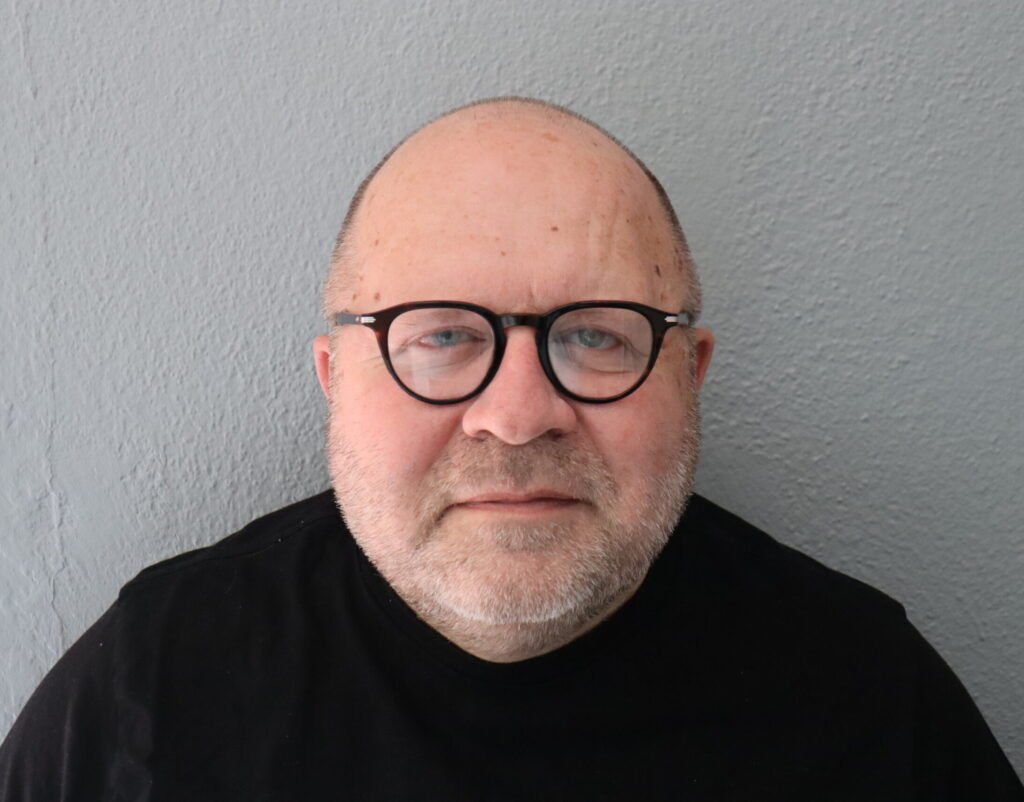
About the Author

David Dunn

William Dunn is a South African urbanist and lawyer based in Cape Town. His work engages deeply with questions of place, memory, and belonging, informed by his professional background in city-making and justice. Passionate about LGBTQ issues, spirituality, and Catholicism, Dunn brings these concerns into his fiction with nuance and urgency. False Bay is his debut novel.

REVIEWS

I would recommend False Bay to readers who like layered, character-driven literary fiction that is strange, candid, and emotionally full. It will especially appeal to people interested in South African stories, queer histories, Catholic imagery, family secrets, and novels where place becomes almost a character of its own. For readers willing to sit with discomfort, contradiction, and dark humor, False Bay offers something memorable: a haunted, salty, bruised novel that keeps listening to the people history usually leaves underwater.
Any rank outsider to Cape Town and its multi-layered social dynamics may well ask if so much of it could possibly exist along one little stretch, the ±6,5 km coastal road from Kalk Bay to Muizenberg or, at least, enough to capture the imagination of any self-respecting artist that they would want to enshrine it for posterity. Read more 
False Bay by William Dunn is a novel, the likes of which I have rarely encountered. Artistic, with flowing narration, interspersed poetry, and alternating points of view, centered around the people of False Bay over the course of many decades, the novel truly takes the readers on a fascinating journey. Following many different people, living many different lives, False Bay follows a South African town both pre- and post-apartheid; living with the consequences of apartheid and the taboo of queerness in society, many of the characters in the novel lead tragic, but truly human, lives. The pure humanness of the novel was beautiful and personally my favorite element of it; these characters and their lives are messy, but they are real, and it was great to read

For inquiries, please contact the author below.

Please indicate your name, phone number and reason for inquiry.